Fellows, and where their work landed.
Every study below is a real student with a verifiable result: a published paper, a competition title, or an admission letter. Read how each one happened.
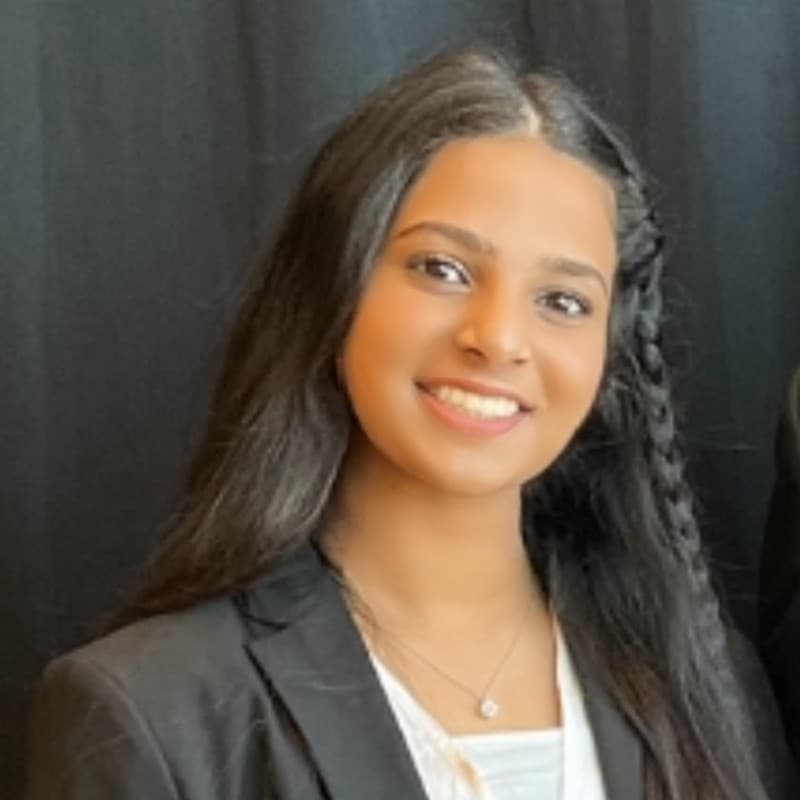 Sadaf Shireen
From no research experience to IEEE published and admitted to Brown
Sadaf joined the YRI Fellowship the summer before senior year with an interest in AI but no research background, and was paired with a PhD mentor. In 10 weeks she completed original research on neural network optimization for real-time classification systems, and the paper was accepted at an IEEE conference. The publication became the centerpiece of her college applications. The research did not stop at the paper: she went on to build a venture on top of the same work, and in April 2026 it was selected for the WUHC Incubator Pitch Competition at Wharton.
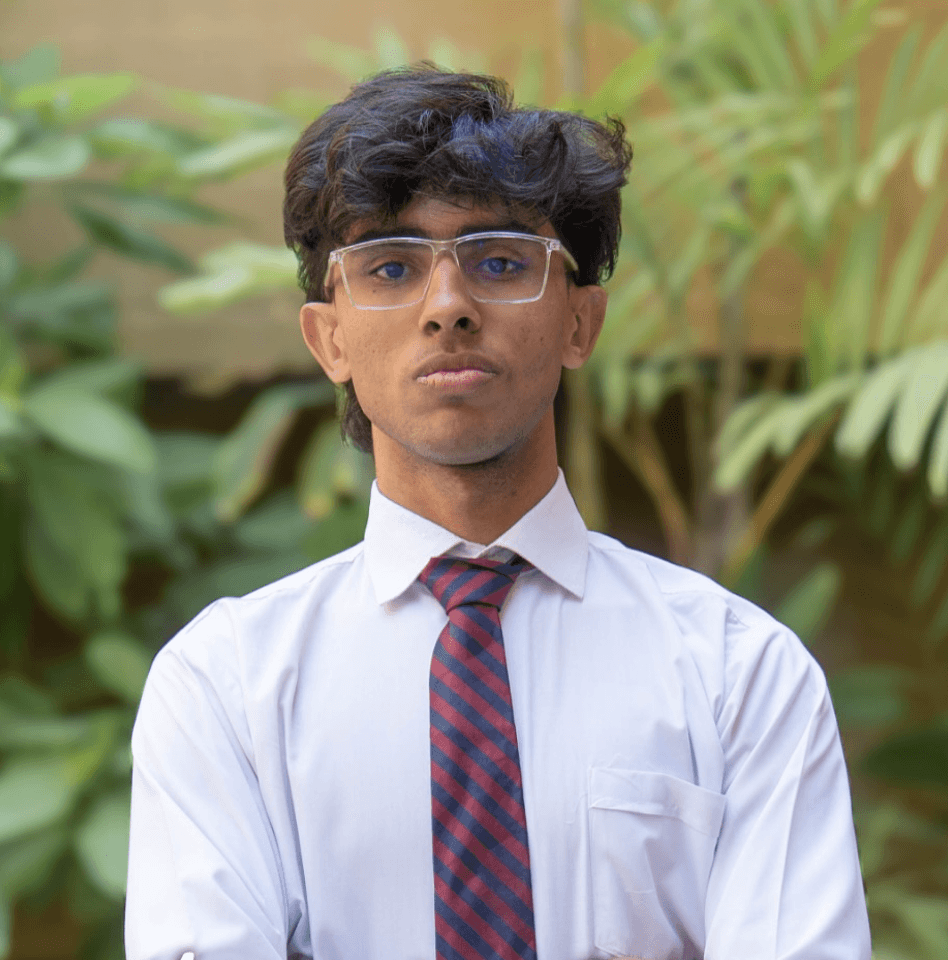 Mubashir Suhail
From zero research experience to ISEF 2026 Qualifier
Mubashir tackled a structural barrier in astrophysics: gravitational-wave machine learning normally needs $50,000 or more per year in GPU infrastructure. He trained a lightweight CNN of roughly 92,000 parameters on LIGO-Virgo detector strain data using free Google Colab, then engineered a peer-to-peer distributed training framework so that 100 standard laptops can match a single NVIDIA V100 GPU. The work qualified him for ISEF 2026.
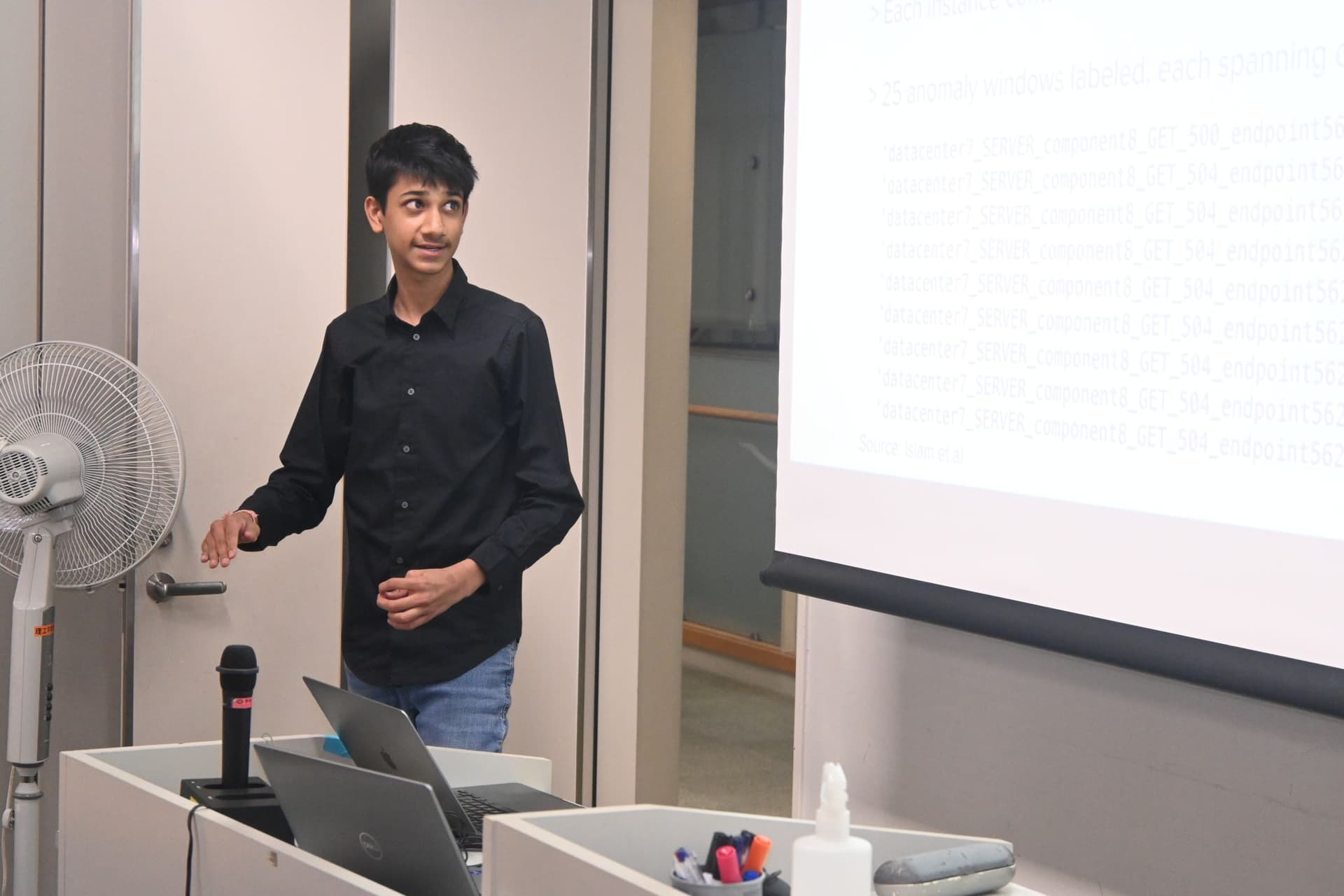 Aditya Singla
From zero research experience to Best Oral Presentation at IEEE in Tokyo
Working with his YRI PhD mentor, Aditya built a two-step neural network pipeline for anomaly detection in large-scale cloud infrastructure, trained on IBM Cloud Console telemetry covering 39,365 data points and more than 117,000 features. His system detected 16 of 25 anomalies against 6 of 25 in prior research, a 2.7x improvement. He presented at IEEE AAIML 2026 in Tokyo, March 20 to 22, 2026, and won Best Oral Presentation in his session.
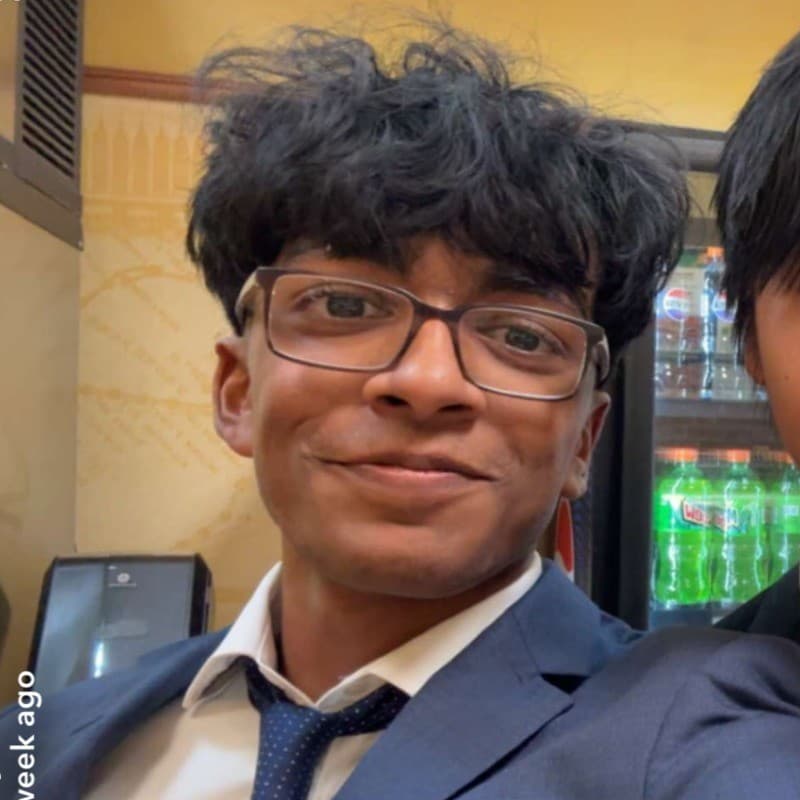 Aaryan Senthilvanan
Three papers accepted at three international conferences in three countries
Aaryan produced three distinct research projects, each addressing a different open problem in computational biology. InteractionFormer simulates the human interactome using SE(3) equivariant graph neural networks with anisotropic network models, GPCRome maps the complete human GPCR signaling connectome to deorphanize receptor agonism, and ORACLE designs a phase-state coacervate nanocarrier system for epigenetic reprogramming of cancer cells. All three were independently peer reviewed and accepted, and he presents in Washington DC, Italy and Spain.
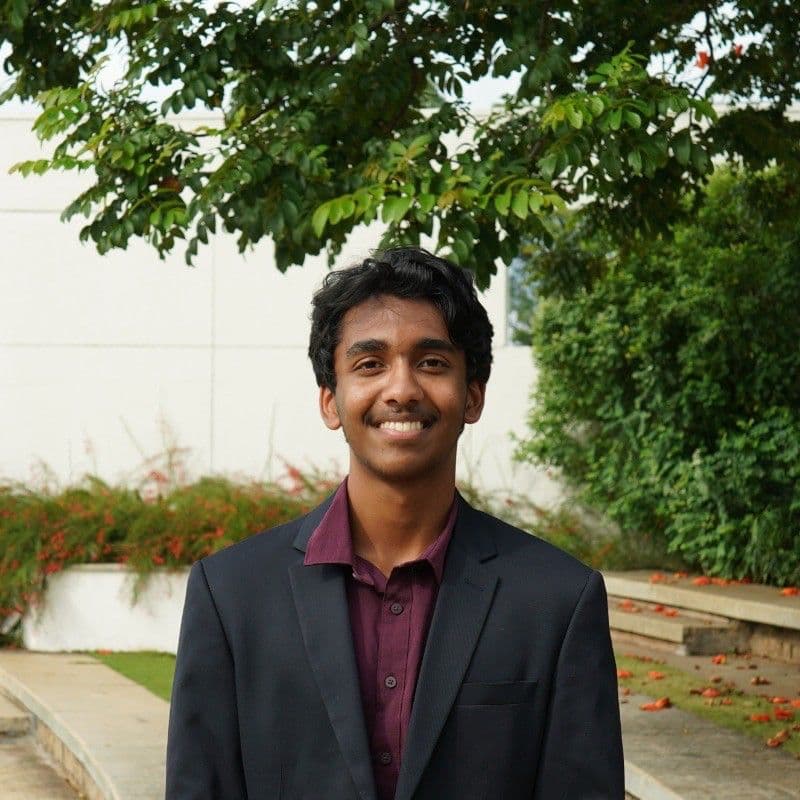 Ansh Kumar
Published at MIT URTC and built a clinical-grade cancer detection model at 15
Ansh produced two major research projects at once. His Parkinson's disease work on biomechanical interventions for improving motor outcomes was accepted at MIT URTC, an IEEE-affiliated conference. His second project trained a gradient boosting classifier on 7,240 TCGA samples using five DNA methylation biomarkers, reaching 98.2% sensitivity and an AUC of 0.983 for non-invasive lung cancer detection.
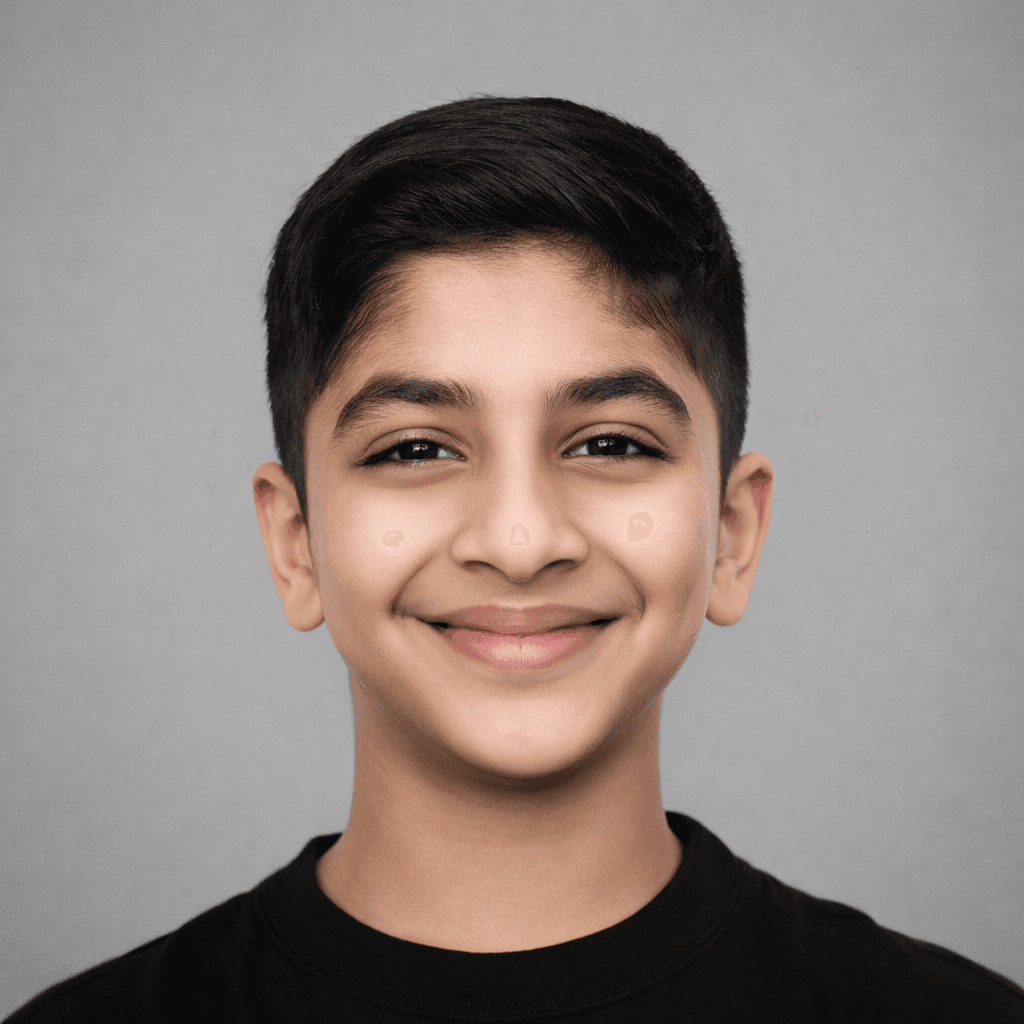 Devansh Gupta
IEEE published at 14 and founder of a 7-figure health-AI company
Devansh built a framework that analyzes ECG microstate instability patterns as objective biomarkers for Major Depressive Disorder, a condition affecting more than 280 million people that is still diagnosed largely through subjective clinical assessment. His research combined advanced signal processing with machine learning and connected cardiology, neuroscience, immunology and machine learning. He was one of the youngest first authors at the conference at just 14 years old.
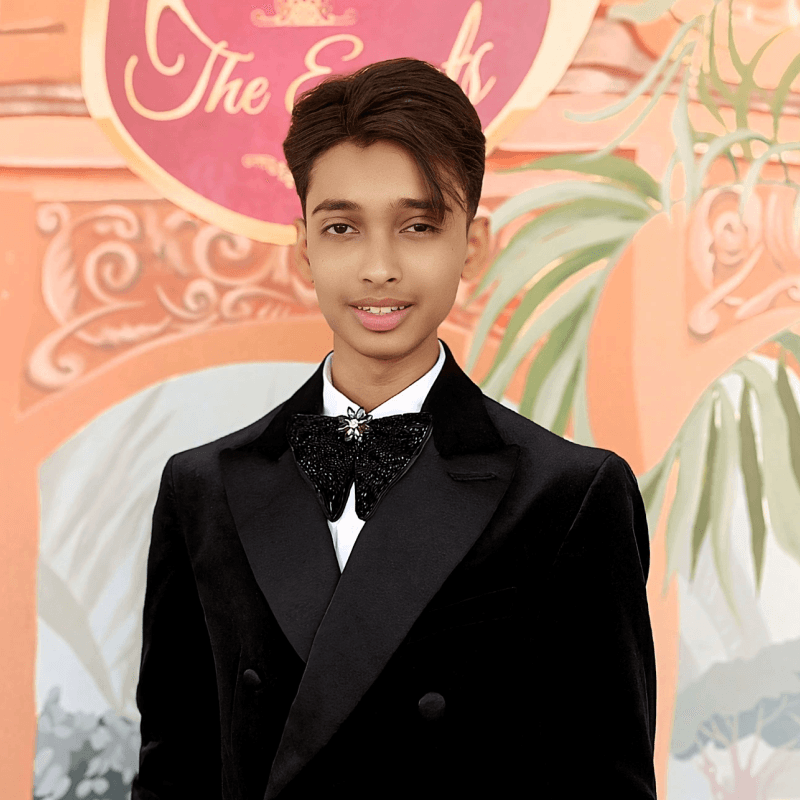 Ashwajit Warwatkar
From enrollment to a Springer paper and an international conference talk in 2 months
Ashwajit developed the Replay-Gated Cascade Consolidation model, a 1,000-neuron Izhikevich spiking network with spike-timing-dependent plasticity and Fusi-type slow cascade weights. He stated three predictions in advance and confirmed all three across more than 700 simulation runs, scaling up to 5,000 neurons. Removing replay dropped retention from 0.286 to 0.037, and the harmonic-series prediction fit with an R squared of 0.828. He presented the work himself at BICA 2026 in Merida, Mexico, a 15-minute talk followed by 5 minutes of questions from the room.
 Karan Aggarwal
A high schooler's econometrics paper, accepted at an international finance symposium
Karan joined the YRI Fellowship in March 2026 wanting to do real work in finance, and was paired with a mentor to design a study most students would not attempt before graduate school: a Difference-in-Differences analysis of how short-duration geopolitical shocks move sector stocks relative to the broader market, using the 2016 Uri attack and 2025 Operation Sindoor as events, with InterGlobe Aviation against the BSE Sensex. Six months after enrolling, the full paper was accepted at the World Finance & Banking Symposium, an international academic finance conference held in Riga, Latvia, where he will present alongside university researchers in December 2026.
 Nidhi Kulkarni
From exploring research ideas to first-author IEEE publication in one summer
Nidhi arrived with two separate research interests and her mentor helped her combine them into one project. She built an AI-driven multi-omics framework integrating gut and skin microbiome data to identify non-invasive biomarkers for PCOS and autoimmune disorders, using FastQC, Trimmomatic, Bowtie2, Kraken2 and Bracken pipelines with Random Forest, XGBoost and LightGBM models. The paper was published at IEEE ICCCA 2025.
 Ruthwik Dhama
From exoplanet enthusiast to creator of a novel habitability framework
Ruthwik expanded his initial idea from analyzing a single planet into building an entirely new habitability index. METHI uses binary classification, unsupervised clustering and ensemble-based regression to improve on fixed-heuristic indices like ESI, PHI and SEPHI, achieving a 0.903 score and identifying the top 10 habitable exoplanet candidates. He also built a public web interface so anyone can input a planet name and retrieve a real-time habitability score.
 Aarav Brahmbhatt
From zero research experience to IEEE-published author as a 9th grader
Aarav built an AI framework that predicts traffic incident likelihood, expected waiting time and CO2 emissions from static traffic scene images. YOLO object detection counts and classifies vehicles, and those features feed a Random Forest regressor for multi-target prediction. The paper was published in IEEE Xplore through ICITSIF 2026 in Indore, India, May 29 to 30, 2026.
 Raeyaan Muppaneni
Built a low-cost bionic arm with 93% real-time accuracy and published it at IEEE
Raeyaan built a complete system from scratch: a low-cost bionic robotic arm that reads EMG muscle signals from the forearm, classifies gestures with AI and drives servos in real time. MyoWare sensors feed an ESP32 that transmits over MQTT to a Raspberry Pi 4 running inference. He compared KNN, Random Forest, MLP and SVM across three feature pipelines, and Random Forest on raw EMG envelopes reached 93% real-time accuracy.
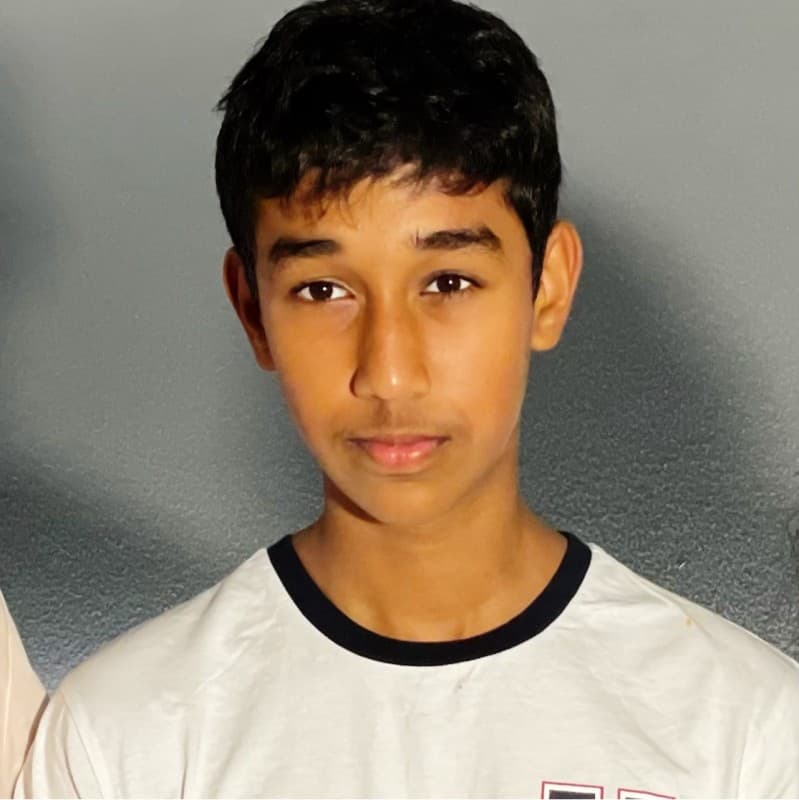 Suriya Dev Saravanakumar
Accepted at the top biomedical engineering conference as a 9th grader
Suriya built a machine learning framework that analyzes eye-tracking measures including fixation duration, saccade amplitude and blink rate to separate Alzheimer's patients from healthy controls. He tested Random Forest, XGBoost, a feed-forward neural network and ensemble methods with ten-fold cross-validation under signal degradation, reaching a ROC-AUC of 0.75 with horizontal eye-position measures as the strongest indicators. He also built a Streamlit prototype for real-time eye-tracking visualization.
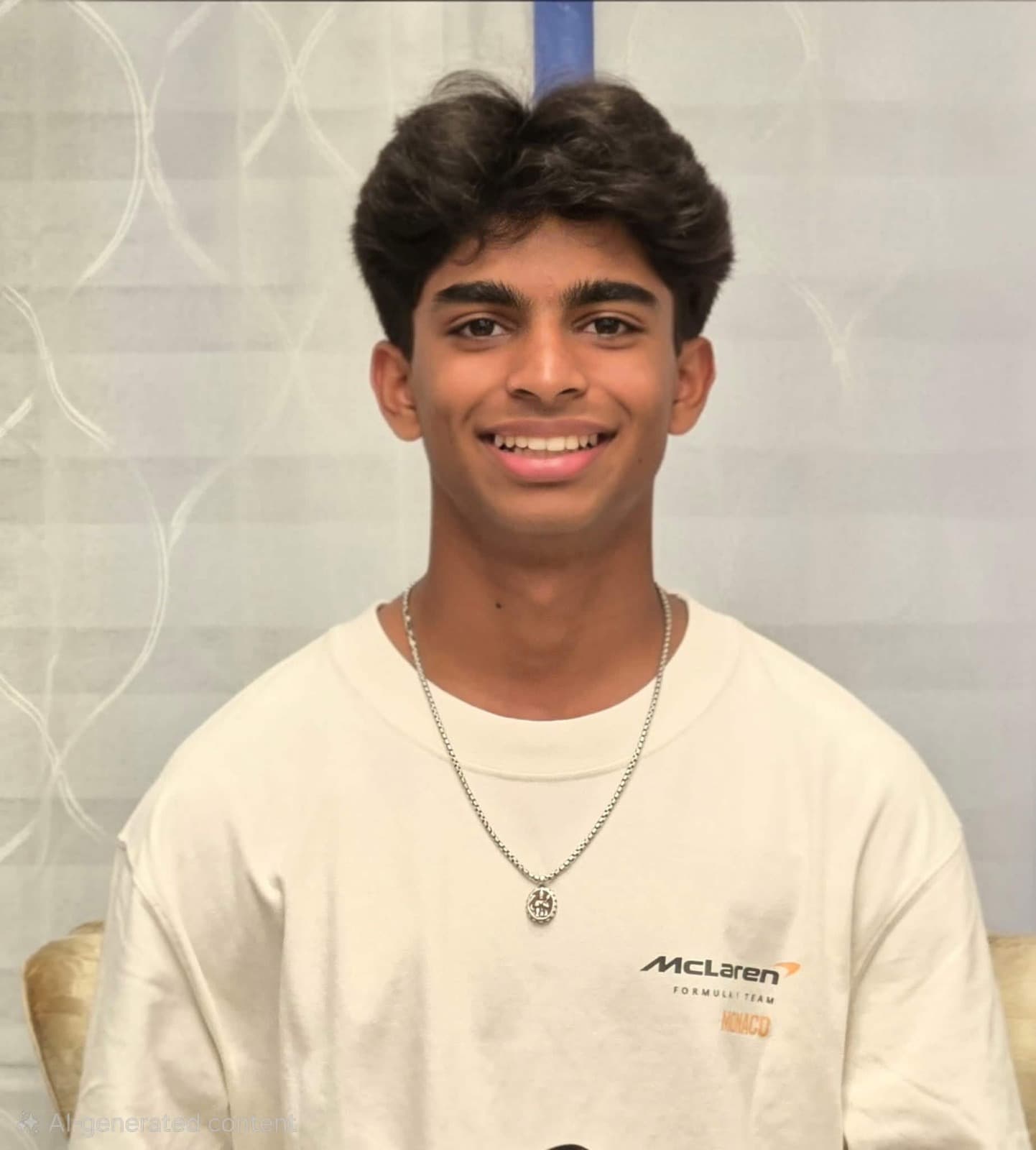 Srihaan Edla
Published a multi-cohort Bayesian model at IEEE CIBCB as a 10th grader
Working with YRI mentor Dr. Swetha MP, Srihaan designed a multi-cohort triangulation study integrating survey data, metagenomic sequencing and neuroimaging across three independent adolescent cohorts totaling 208 subjects. His Bayesian hierarchical structural equation model estimated direct, indirect and feedback effects across the stress-gut-metabolism axis. He found physiological stress associated with GI distress at beta 0.398, the gut microbiome acting as a metabolic hub at beta 0.767, and a stress-sleep correlation of 0.74.
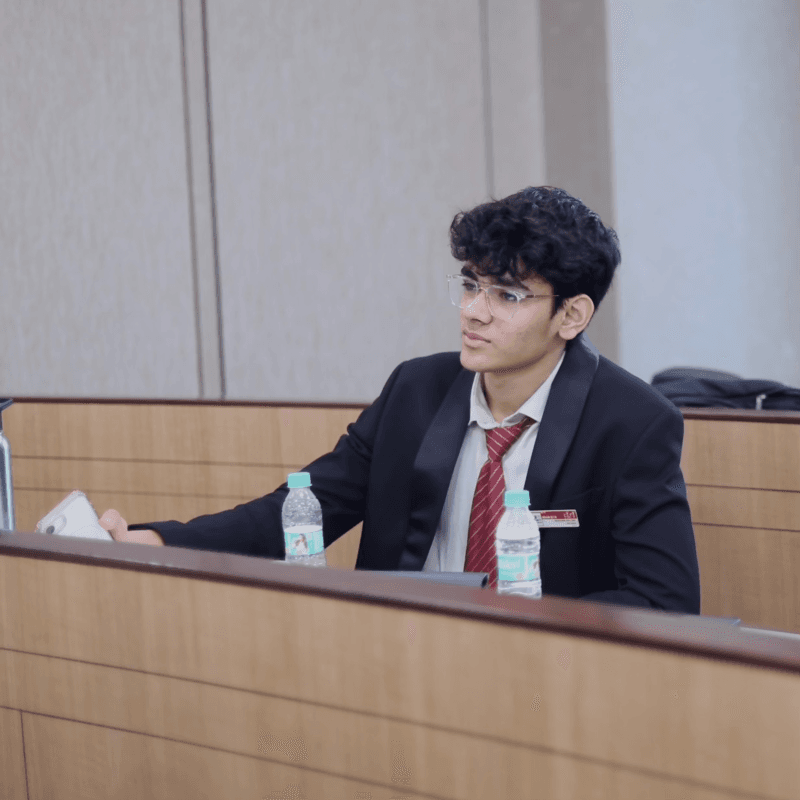 Arham Sethi
Built the first framework to map pre-emergence weed risk, published at IEEE
Arham developed WERM, a framework that estimates pre-emergence weed risk by fusing soil moisture, residue cover, structural disturbance and growing degree days. It combines ResNet-18 moisture and residue estimation from RGB field images, GLCM texture analysis and NASA POWER API thermal data through a log-space multiplicative model. Validated on 333 field images and 30 ground-truth soil samples with farmers of 20 to 30 years experience, it reached a ground-truth correlation of 0.879.
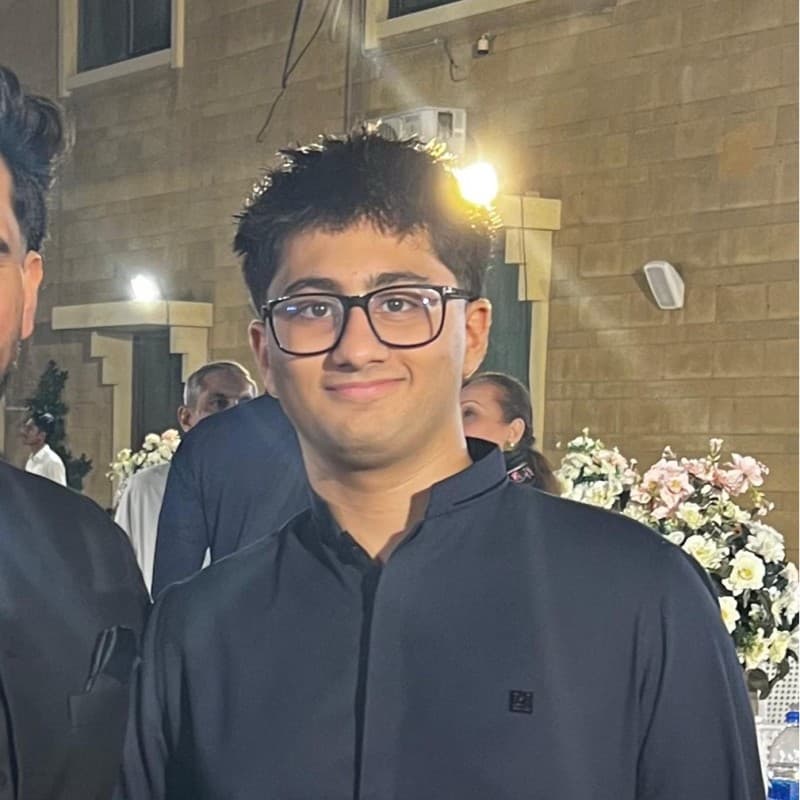 Aly Dhedhi
Designed brain-cancer peptide therapeutics and published at IEEE as a 10th grader
Working with YRI mentor Dr. Rajeshkhanna Bhuthkuri, Aly designed and evaluated four modular peptide constructs fusing the blood-brain barrier shuttle motif Angiopep-2 with the EGFR-targeting sequence GE11, aimed at the tumour-exclusive receptor variant EGFRvIII in glioblastoma. The pipeline used ESMFold for structure prediction, PatchDock for docking and BioPython for physicochemical profiling. Construct P3, a cyclized GE11 variant, was the only candidate rated High for blood-brain barrier permeability.
 Akul Nehra
Built a regulatory-compliant federated AI framework and published at IEEE at 15
Akul built a federated ensemble learning framework combining five heterogeneous base learners across 24 federated clients, using differential privacy with Renyi DP accounting, meta-learning aggregation via stacking and secure proxy training. Trained on 150,000 real-world GMSC loan samples plus 45,000 synthetic samples with non-IID heterogeneity, it reached 91.8% accuracy, just 1.7 percentage points off centralized performance. The framework simultaneously satisfies GDPR Article 32, ECOA anti-discrimination requirements and Basel III calibration standards.
 Atharv Ved
Built a CRISPR target prediction pipeline for heart disease, accepted at IEEE
Atharv developed a computational framework for predicting safe, high-specificity CRISPR-Cas9 guide RNAs targeting the cardiac remodelling genes MYH7, ACTC1, TNNT2 and NPPA. He retrieved sequences from NCBI GenBank, scanned for SpCas9 PAM sites using Biopython and scored candidate guides through BLAST-based off-target profiling with mismatch heatmapping and specificity scoring. All three tested guides hit roughly 100% editing efficiency, but only gRNA2 targeting MYH7 combined that with the lowest off-target burden.
 Ryan Vo
From no coding experience to IEEE published with AI-optimized skin grafts
Working with YRI mentor Dr. Swetha MP, Ryan built an AI framework integrating Multivariate Normal Distribution and polynomial regression with a 3D Generative Adversarial Network to optimize scaffold designs for bioprinted skin grafts. The model trained on synthetic datasets derived from the CO2Wounds-V2 chronic wounds dataset from leprosy patients. It reached an R squared of 0.59 and identified optimized parameters for porosity, pore size, thickness and biomaterial selection.
 Sai Tarekar
From zero coding experience to an IEEE acceptance as a 9th grader
Sai developed AHIRRS, an Automated Hybrid In-Situ River Remediation System for cleaning the Yamuna River. The 22km Wazirabad-Okhla stretch in Delhi-NCR receives roughly 3,491 million liters of sewage daily against a treatment gap of 900 million liters per day. His framework proposes compact decentralized treatment units placed directly in the river at pollution hotspots, using machine learning to analyze water quality data and optimize treatment in real time.
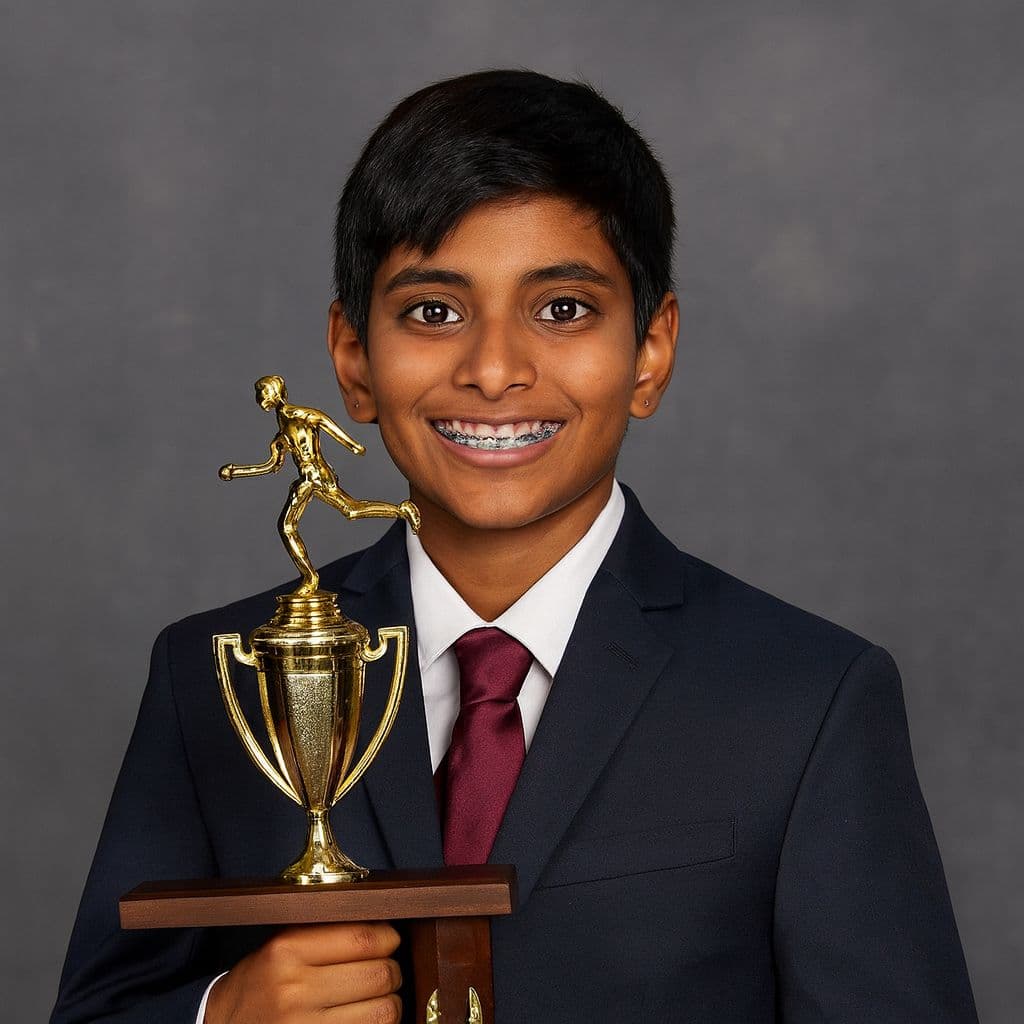 Aarnav Bhat
From aspiring AI researcher to IEEE acceptance with AUC 0.983
Aarnav developed a machine learning approach for discovering biomarkers in lung cancer, analyzing genomic data to identify signatures associated with the disease. His model achieved an AUC of 0.983, near-perfect discrimination, pointing toward earlier detection when treatment is most effective. The paper was accepted at IEEE ICITSIF 2026.
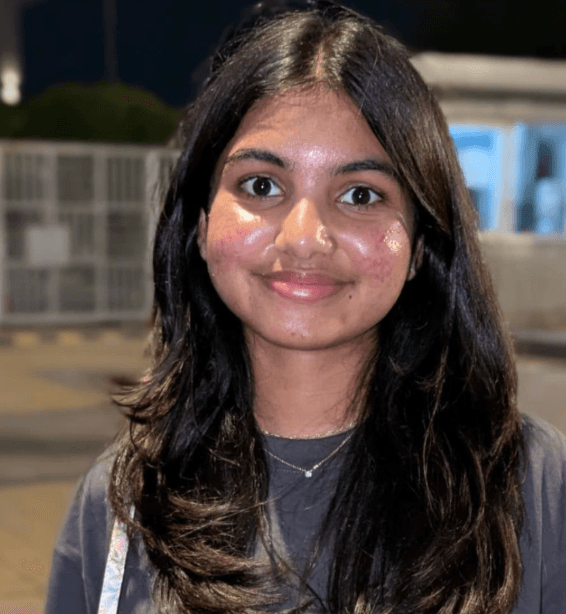 Sai Pasuparthi
From curious about COVID evolution to an IEEE conference acceptance
Sai conducted a genomic analysis of Omicron variant mutations, combining epidemiological analysis with evolutionary insight to understand how the virus evades immune responses. Using computational phylogenetics and genomic surveillance, she systematically cataloged spike protein mutations across lineages and identified 132 immune escape mutations. The findings inform vaccine development and pandemic preparedness.
 Neil Voore
Published medical AI research on evaluation bias as a 9th grader
Neil examined how standard evaluation protocols inflate reported accuracy in nail abnormality detection models. He showed that random data splits allow leakage between training and test sets, and that models with near-perfect accuracy under random splits decline sharply when evaluated across different data sources. Region-of-interest training focused on the nail plate improved external F1-score and reduced background bias.
 Ayaan Rustagi
Applied astronomy techniques to detect Alzheimer's at 88.9% accuracy
Ayaan built a cross-domain approach that adapts astrobiology signal processing, including pulsar timing techniques used to pull faint signals out of noisy astronomical data, to detect Alzheimer's patterns in brain scans. His machine learning models trained on those cross-domain features reached 88.9% accuracy. The work was published in IEEE and won 3rd place at his science fair.
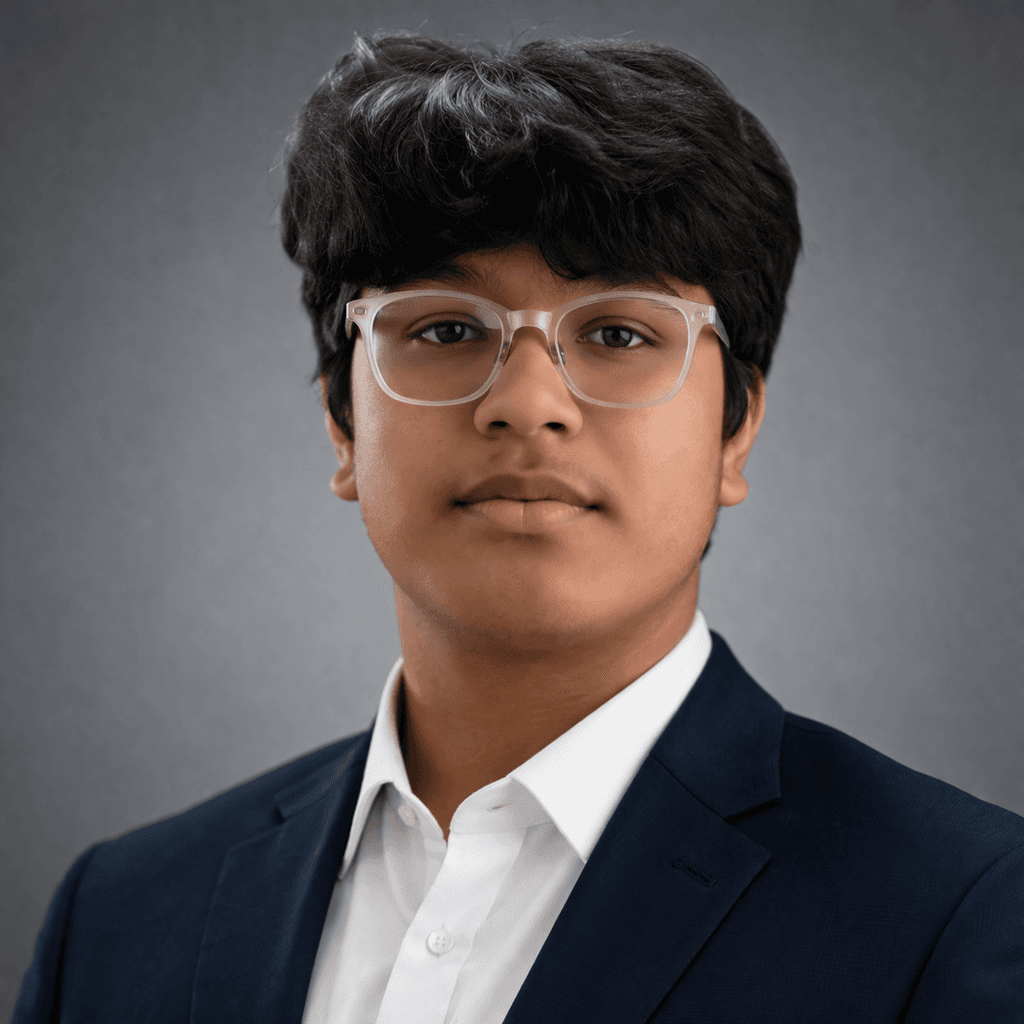 Shaswat Senthilkumar
From curious 10th grader to 1st place at a Princeton University science fair
Shaswat built a machine learning framework that predicts stem cell differentiation outcomes from RNA sequencing data. His pipeline processes gene expression data through feature extraction and ML classification to predict cell fate, helping researchers see which genes matter most in differentiation decisions. The research has implications for regenerative medicine and treating diseases like Parkinson's, diabetes and heart disease.
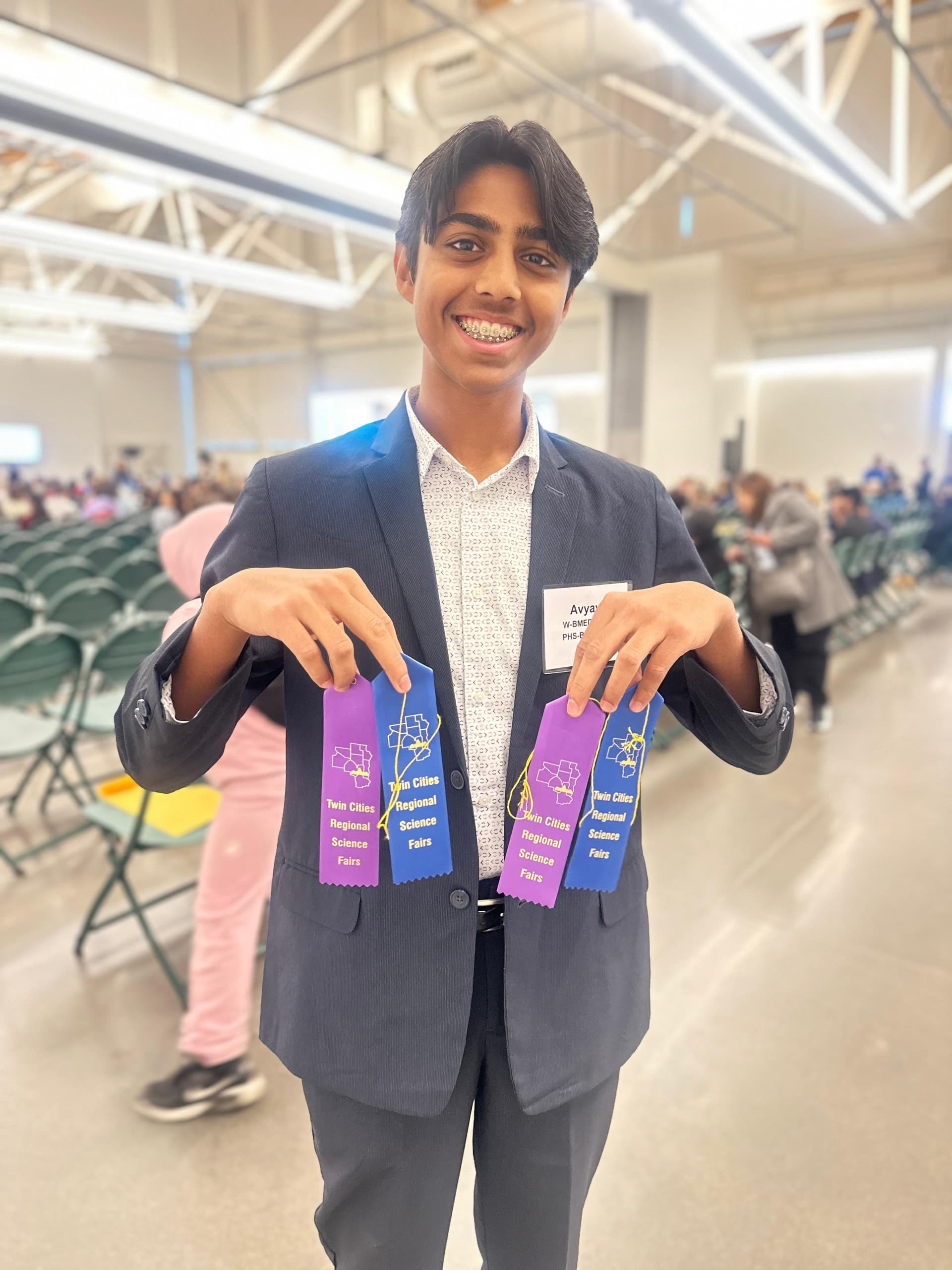 Avyay G.
From curious 9th grader to 1st place science fair winner and state qualifier
Avyay built a multi-model AI pipeline predicting time-to-onset of respiratory disease from combined air pollution exposure and genetic susceptibility, using WHO Global Air Quality data with GEO gene expression datasets. He compared Kaplan-Meier, Cox Proportional Hazards, AFT, Random Survival Forests and DeepSurv with SHAP explainability for clinically actionable predictions. Higher pollution accelerated disease onset, especially in genetically susceptible individuals.
 Aarush Mahajan
Selected as 1 of 14 global finalists from over 8,000 participants
Aarush designed the Carbon Conversations & Community Action Toolkit, providing frameworks for measuring carbon footprints, facilitating community discussions and implementing sustainability initiatives. Over 5 months he refined his Climate Action Project through mentorship and hands-on experimentation and built a dedicated project website. He was selected as 1 of 14 global finalists from more than 8,000 participants and represented India at the PGC 2025 Final Summit in San Francisco.
 Aditya Arvind
Reading movement straight from the brain, for the patients whose muscles cannot be read
Prosthetic hands are usually controlled by electromyography, which reads electrical activity in muscle. For conditions like Spinal Muscular Atrophy that is the one signal that is not there to read. Aditya built the alternative: a pipeline that classifies motor imagery straight from EEG, bypassing the muscle entirely. He benchmarked three deep learning architectures against three classical machine learning models on the PhysioNet Motor Movement/Imagery dataset, separating rest from imagined left-hand and right-hand movement, and ran every model twice, once on the five cleanest subjects and once across all 109, to separate raw accuracy from real generalization.
From a nursing-home visit to an IEEE paper on how the gut metabolizes drugs
Meera built a structure-aware computational pipeline to find the gut bacteria responsible for breaking down a widely prescribed class of sedatives. Existing tools search by sequence similarity alone and miss enzymes that look different but fold the same way. Her method combined calibrated profile hidden Markov models with structural homology search across 2,503 candidates, recovering 35 fold-conserved enzymes that sequence search alone could not see, 34 of which kept the binding pocket the reaction requires. Molecular docking then narrowed it to a shortlist for lab testing.