Avyay G.
From curious 9th grader to 1st place science fair winner with groundbreaking AI research on respiratory disease prediction
Where Avyay Started
His Background
- • 9th grade student passionate about AI and healthcare
- • No prior research or publication experience
- • Interested in environmental health and disease prevention
- • Wanted to make a real-world impact through science
His Goals
- • Conduct original research combining AI and healthcare
- • Win at regional science fairs
- • Build a strong research profile for future applications
- • Learn advanced machine learning techniques
His Vision
"I wanted to understand how air pollution and genetics work together to cause respiratory diseases. If we could predict who's at risk earlier, we could help prevent diseases before they happen."
— Avyay, before joining YRI
The Research
Working with his YRI mentor, Avyay tackled a complex problem at the intersection of environmental science, genetics, and machine learning: how can we predict when someone will develop respiratory disease based on their pollution exposure and genetic susceptibility?
Integration of Air Pollution Exposure and Genetic Susceptibility to Predict Time-to-Onset of Respiratory Disease Risk
Respiratory diseases like asthma and COPD emerge through complex gene-environment interactions
WHO Global Air Quality data + GEO gene expression datasets (GSE173896, GSE227691, GSE76262)
Survival analysis, Random Survival Forests, DeepSurv neural networks, SHAP explainability
First-of-its-kind integration of pollution + genetic data for time-to-onset prediction
Multi-Model AI Framework with Explainability
Avyay didn't just build one model—he created a comprehensive pipeline comparing multiple survival analysis approaches (Kaplan-Meier, Cox Proportional Hazards, AFT, Random Survival Forests, and deep learning) with SHAP explainability to make predictions transparent and clinically actionable.
Models demonstrated that higher pollution accelerates disease onset, especially in genetically susceptible individuals
Public Health Impact
The research provides a framework for early identification of at-risk individuals, potentially enabling preventive interventions before disease develops. This approach could inform public health policy on air quality standards and targeted screening programs.
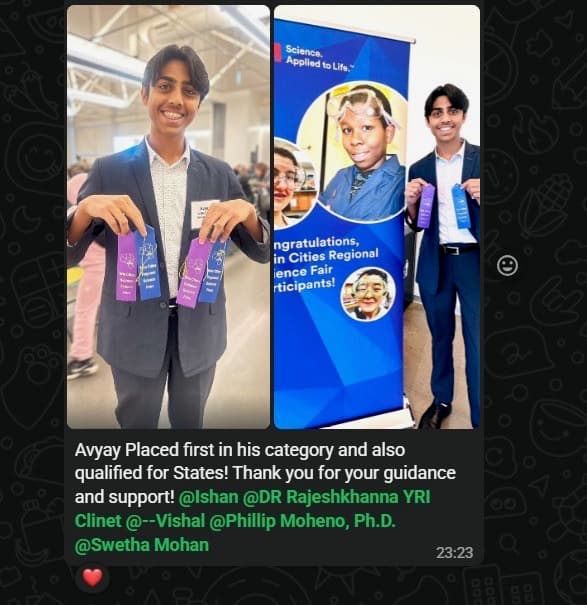
Science Fair Success
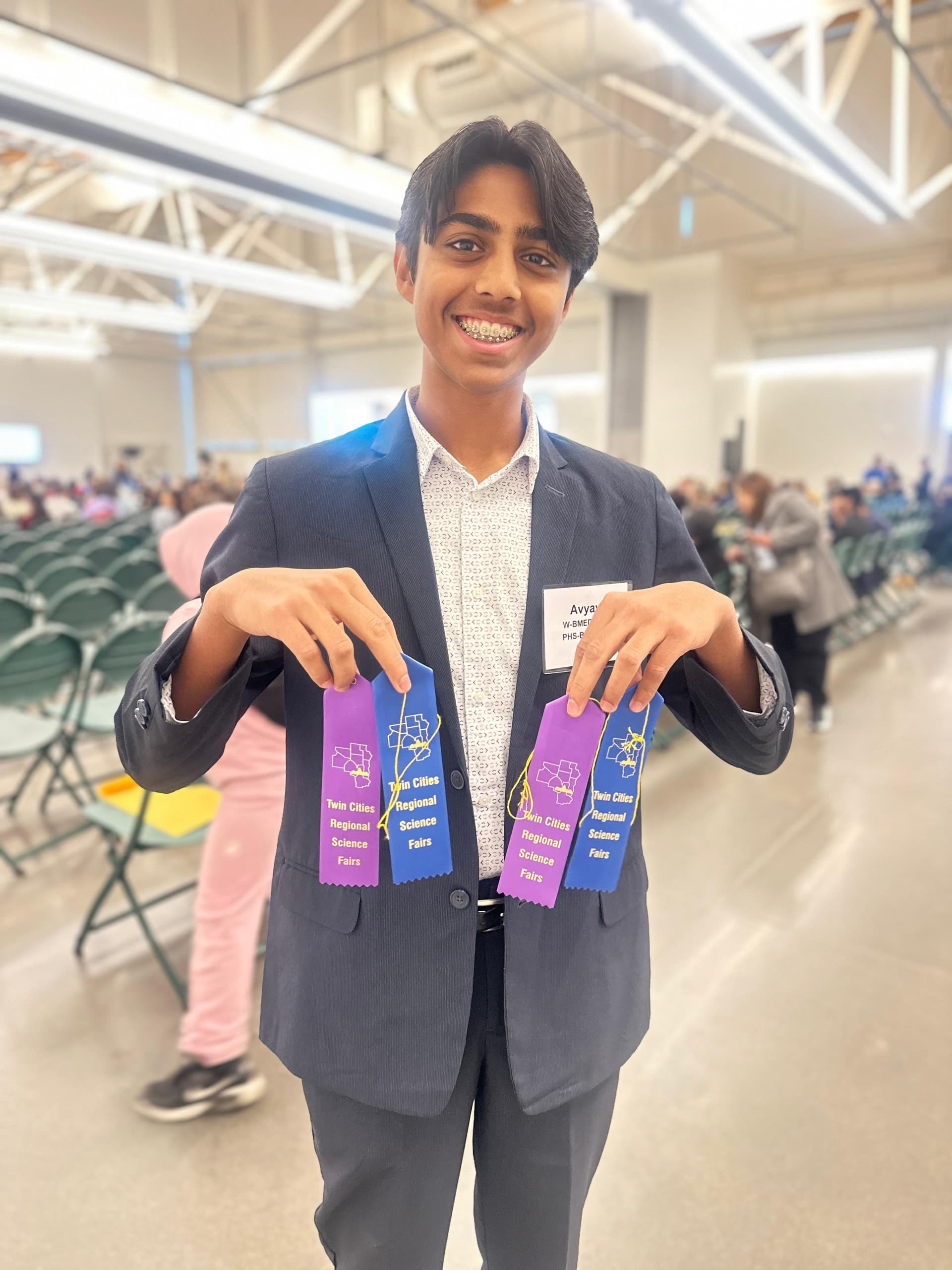
Twin Cities Regional Science Fairs, March 2026

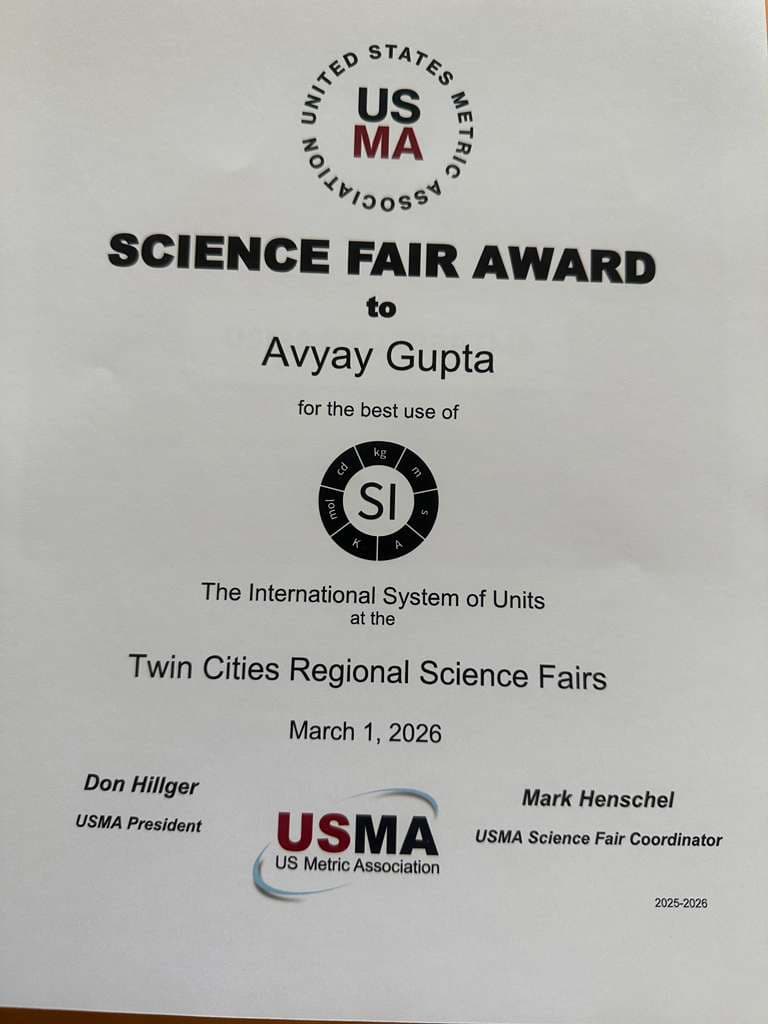
Twin Cities Regional Science Fairs

Official Recognition


The Outcome
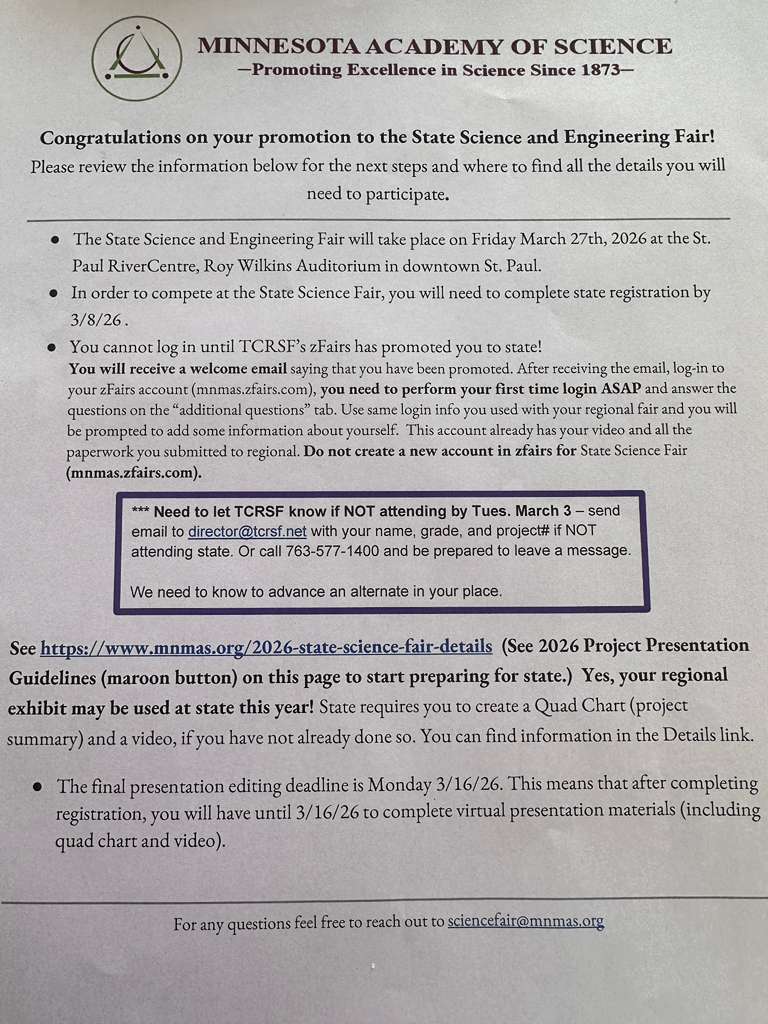
1st Place Winner + State Science Fair Qualifier
Computational Biology / AI in Healthcare
Advanced to state-level competition
Predicting Respiratory Disease Onset
Framework applicable to preventive healthcare
YRI helped me integrate air pollution data with genetic susceptibility to build AI models predicting respiratory disease risk. My research won 1st place at my science fair—something I never imagined achieving in 9th grade.

9th grader with no research experience, curious about AI and healthcare
1st Place Science Fair Winner with advanced AI research, qualified for state competition
Technical Highlights
ML models compared (KM, Cox, AFT, RSF, DeepSurv)
Faster disease onset predicted with high pollution exposure
Explainable AI for transparent, clinically-actionable predictions
Ready to Start Your Research Journey?
Join the YRI Fellowship and work with expert mentors to conduct original research, win science fairs, and build a profile that stands out.
Apply Now